

Landmarks and More
Fayette County, Pennsylvania, is rich in African American history, offering numerous landmarks and museums that highlight the contributions and experiences of Black communities in the region.
These landmarks and institutions offer a window into the rich African American history of Fayette County, providing opportunities for education and reflection on the contributions of Black communities to the region's development.
Historic Landmarks
Isaac Meason House (Mount Braddock)
Built in 1802, this Palladian-style stone mansion is one of only two
surviving from the period in the U.S. While Isaac Meason was a
wealthy ironmaster and slave owner, the house's architectural
significance is notable. The estate's history includes ties to slavery,
reflecting the complex narratives of the era. The information regarding
the Isaac Meason House's role in the Underground Railroad is
primarily derived from historical records and architectural studies.
While specific details about its involvement in the Underground Railroad are limited, the house's prominence and Meason's abolitionist sympathies suggest it may have served as a station for freedom seekers. The Isaac Meason House is listed on the National Register of Historic Places and is designated as a National Historic Landmark.
Fort Gaddis (South Union Township)
Constructed between 1769 and 1774 by Colonel Thomas Gaddis,
is located 300 yards (270 m) east of old U.S. Route 119, near the
Route 857 intersection in South Union Township, Pennsylvania
(east of Hopwood and south of Uniontown). This log cabin was
constructed around 1769–74 by Colonel Thomas Gaddis. It served
as a community meeting place and shelter during emergencies.
Fort Gaddis's location along the Catawba Trail suggests it may have
played a role in assisting enslaved individuals seeking freedom. The
trail connected various communities, including Uniontown, which was
known for its involvement in the Underground Railroad. Additionally, the fort's historical significance and its role as a community gathering place during times of crisis indicate it could have been a supportive environment for freedom seekers.
Today, Fort Gaddis is recognized as the oldest known building in Fayette County and the second oldest log cabin in Western Pennsylvania. It was added to the National Register of Historic Places in 1974 and is marked by a Pennsylvania state historical marker placed in 1946.
.jpg)


.jpg)

Museums and Cultural Centers


African American History and Cultural Center
The Fayette County African American History and Cultural Center, located at 355 Connellsville
Street in Uniontown, Pennsylvania, serves as a vital institution dedicated to preserving and sharing
the rich African American history of Fayette County. Established in June 2024 by StoryJoy, Inc.,
the center evolved from a traveling museum that began in 2019, offering walking tours and history
lectures to local schools and community centers.
The center's exhibits and programs focus on various aspects of African American heritage,
including the Underground Railroad, Black businesses, education, arts, and notable figures such
as Rev. James Lawson. It highlights the significant contributions and stories of the Black community
in the region, many of which have been historically overlooked .
In addition to its permanent exhibits, the center hosts events such as book readings, tours, history lectures, and public programming to engage the community and educate visitors about the local African American experience. These initiatives aim to foster a deeper understanding and appreciation of the cultural heritage that has shaped Fayette County.
For more information about the center's programs and events, you can visit StoryJoy's official website.
Fayette County Historical Society
The Abel Colley Tavern & Museum, located at 7083 NationalPike in
Smock, Pennsylvania, serves as the headquarters for the Fayette County
Historical Society. Built around 1835, this historictavern was originally
constructed by Abel Colley and functionedas both a family residence
and a tavern for travelers along theNational Road. The building is a
2½-story, 5-bay red brickstructure with a Greek Revival style, and it
was added to the National Register of Historic Places in 1995.
After being donated to the Fayette County Historical Society in 2009,
the tavern underwent extensive renovations with the help of volunteers and community programs. Today, it houses a small museum and local history library, showcasing exhibits on topics such as the coal industry, Albert Gallatin, the National Road, local glassware history, and aspects of African American History. While the museum's exhibits primarily focus on regional history, it also provides insights into the broader historical context of the area.
The museum is open to the public, and visitors can learn about the rich history of Fayette County through its exhibits and programs. For more information, including hours of operation and upcoming events, you can visit the Fayette County Historical Society's official website.
Historical Sites and Walking Tours

Penn State Fayette Rev. James Lawson Jr. Statue
In June 28th of 2024, Penn State Fayette, The Eberly Campus, revealed a
bronze statue of the late Rev. James Lawson Jr., a pivotal leader in the
Civil Rights Movement, now displayed in the campus library. The
unveiling ceremony included remarks from sculptor Vinnie Bagwell;
Robert Eberly III, president of the Eberly Foundation; SeriaShia Chatters,
associate vice provost for educational equity at Penn State; and W.
Charles Patrick, chancellor and chief academic officer.
Born in Uniontown, Pennsylvania, Lawson was instrumental in training
activists in nonviolent resistance, significantly influencing the Nashville
sit-ins, the Freedom Rides, and the Memphis sanitation strike. His lifelong dedication to social justice earned him the Community of Christ International Peace Award in 2004, and in 2021, the UCLA Labor Center’s MacArthur Park building was named in his honor.


During the ceremony, Chatters highlighted the statue’s importance, stating, “This is more than a tribute to a distinguished man. It’s a testament to the profound impact one person can have on the course of history. Let this statue stand as a beacon of hope and a reminder of the power of nonviolent resistance” .
Lawson had been invited to attend the ceremony, but he passed away on June 9, 2024, at the age of 95. Instead, a prerecorded message from him was played during the unveiling, giving attendees the opportunity to hear his thoughts on the significance of unity. More information


Vinnie Bagwell was inspired to create the tribute to Rev. James Lawson Jr. by a desire to honor his pivotal role in the Civil Rights Movement and to address the lack of public art representing influential people of color. Bagwell views public art as
a means to preserve history and provoke reflection, specifically noting the importance of memorializing figures whose stories have been underrepresented in public spaces. She stated, “This piece will be a destination
for learning. Visitors will be reminded of some of those most meaningful and rewarding
moments in America’s growth toward inclusion for African Americans. People will be inspired
to reflect upon our quantum leaps in progress as beneficiaries of the work Lawson and others
have struggled to accomplish in America”.
Bagwell’s broader artistic motivation centers on filling gaps in historical representation, particularly for BIPOC figures, and she has expressed that she is drawn to creating art about people who have not traditionally been recognized in public monuments. The sculpture of Lawson, featuring bas-relief images of other civil rights leaders and Lawson’s iconic “I am a man” quote, is intended not only as a tribute but as an educational and inspirational landmark.
“We Have Been Waiting For You” Walking Tour
Uniontown was one of the locations of the Underground Railroad in Fayette County and has a deep abolitionist and cultural organizing history in addition to significant stories of African American excellence in business, education, arts, sports, and more. While Uniontown currently has an African American population of 17.5%, the history of that community—present in the area for over 200 years—is often relegated to discussion only during Black History Month, if at all. StoryJoy is working to change that with this special project.
The history and cultural center is located specifically on the East End of
Uniontown, which is the focus area
of much of the African American history in the County. The project covers the history of slavery in the region,Underground Railroad, African American
cemeteries and churches, history of protests, national sports figures that are from the Fayette County area, events such as the Black Homecoming, Black businesses, famous people who originated in Fayette County, including Rev. James Lawson, a mentor for Dr. Martin Luther King Jr., the documentation of an African American newspaper, African American artists, and authors, etc. This information was collected by Dr. Norma D. Thomas through newspaper archives, historical documents, donations from African American community members, and local libraries.


Offered by StoryJoy, this tour explores key sites in Uniontown's East End, highlighting the contributions of African Americans to the community's development and the Underground Railroad. StoryJoy, Inc.
“We Have Been Waiting For You” is a walking tour initiative by StoryJoy, Inc., aimed at reclaiming and sharing the rich African American history of Uniontown, Pennsylvania. This project evolved from a traveling museum that began in 2019, offering walking tours and locally based history lectures to Uniontown schools and the East End United Community Center. It has since expanded to include Generational Archives, a podcast with oral histories, and now has a permanent home at 355 Connellsville Street, Uniontown, PA .
For more information about the “We Have Been Waiting For You” walking tour and to access resources, you can visit the StoryJoy website.
Penn-Craft Historic District
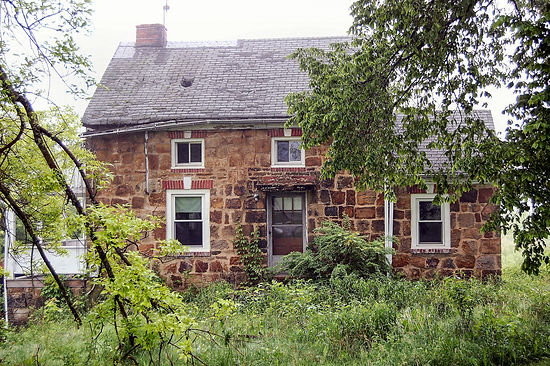
The Penn-Craft Historic District, located in Luzerne Township, Fayette County, Pennsylvania, is a unique example of a planned cooperative community developed during the Great Depression. Established between 1937 and 1943 by the American Friends Service Committee (AFSC), a Quaker organization, Penn-Craft aimed to provide self-sustaining housing for unemployed coal miners and their families. The community was designed with an emphasis on cooperation, self-reliance, and racial and religious inclusivity. Fifty families constructed their own homes using stone quarried from nearby deposits, and they also built a cooperative store, a knitting factory, and a dairy farm. The community's design
and ethos were influenced by Quaker principles, focusing on consensus decision-making and communal living. In 1989, Penn-Craft was added to the National Register of Historic Places for its historical significance and unique approach to community development .

Penn-Craft and its commitment to racial and religious diversity, allowed for the inclusion of African American families. The community's cooperative nature and emphasis on equality provided a platform for African Americans to participate in the development and governance of the settlement. Over time, Penn-Craft became a model for other self-help communities and a testament to the potential of cooperative living as a means of addressing economic hardship and promoting social equity.
Today, Penn-Craft remains a well-maintained community that continues to uphold the values of tolerance, inclusion, hard work, and self-reliance. The legacy of its diverse founding and cooperative spirit is evident in the
ongoing participation of descendants of the original homesteaders and in the community's active preservation of its history and heritage. Learn More.